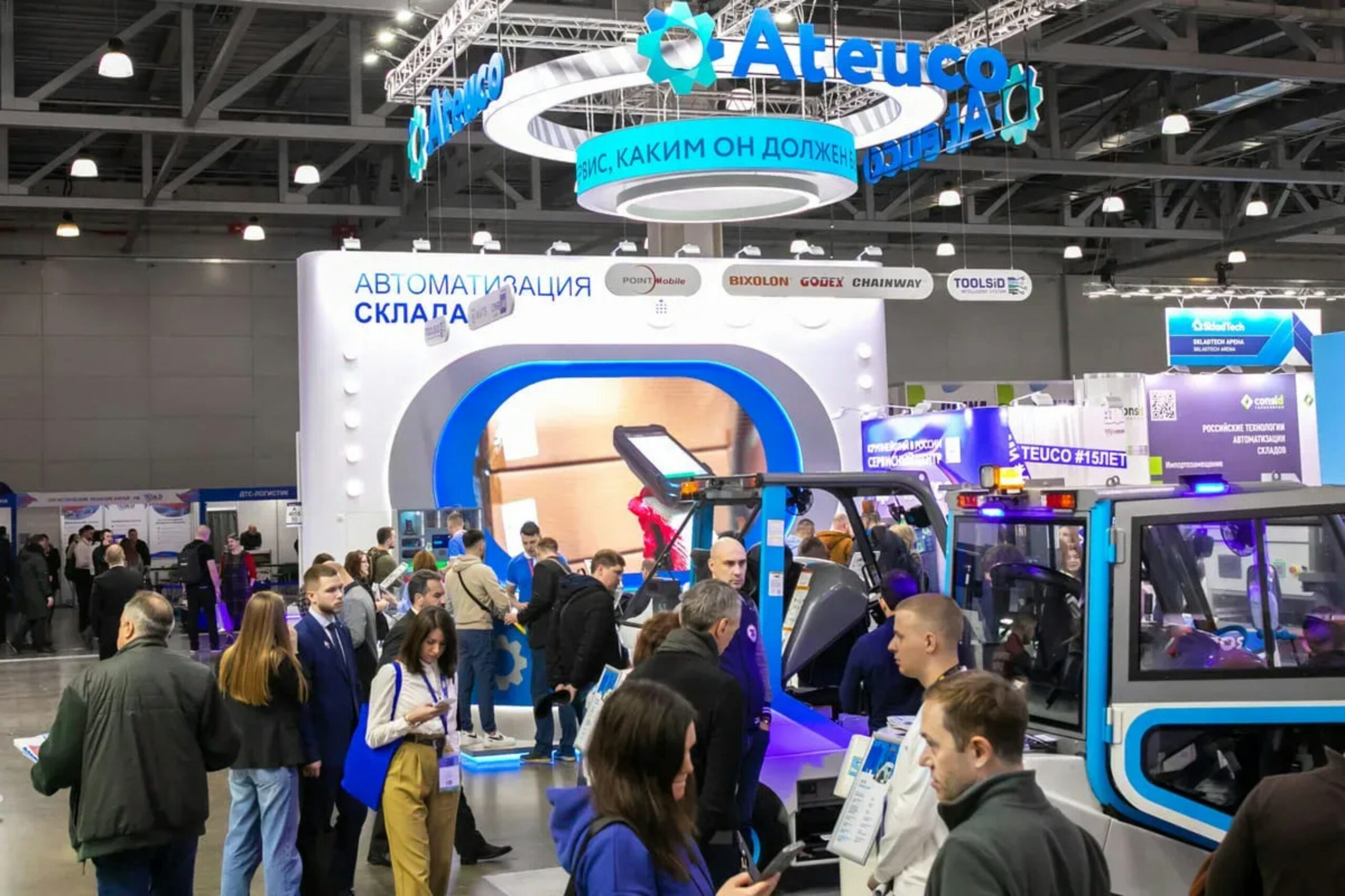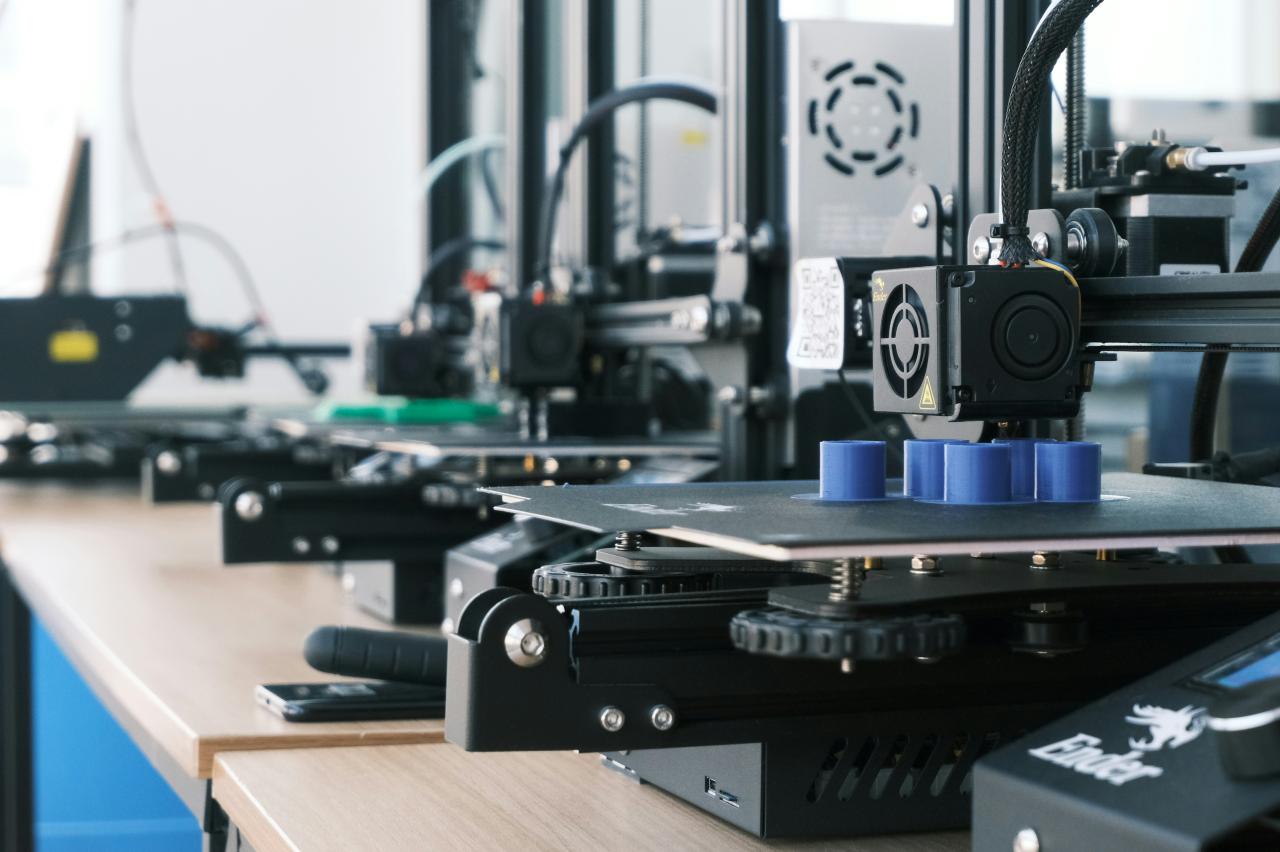
The global industrial landscape is currently undergoing a massive structural shift toward digitalization and intelligent automation. Traditional manufacturing plants that once relied on manual oversight and legacy machinery are being replaced by hyper-connected ecosystems known as smart factories.
Optimizing industrial efficiency through smart operations is no longer just a competitive advantage; it has become a fundamental requirement for survival in a volatile global market. This transition involves the seamless integration of physical hardware with advanced software layers to create a transparent view of the entire production chain.
By utilizing real-time data, facility managers can identify bottlenecks before they cause significant delays or costly equipment failures. The goal is to create a “living” operation that can adapt to supply chain disruptions and shifting consumer demands with minimal human intervention.
As we move deeper into this new era of Industry 4.0, the focus has shifted from mere speed to total resource optimization and sustainable output. Companies that embrace these smart strategies see a dramatic reduction in waste and a significant increase in their overall profitability.
This guide explores the core pillars of modern operational excellence, ranging from predictive maintenance to the implementation of digital twins. We are entering a future where data is the most valuable raw material in the factory, driving every decision and action on the shop floor.
The Architecture of the Smart Factory
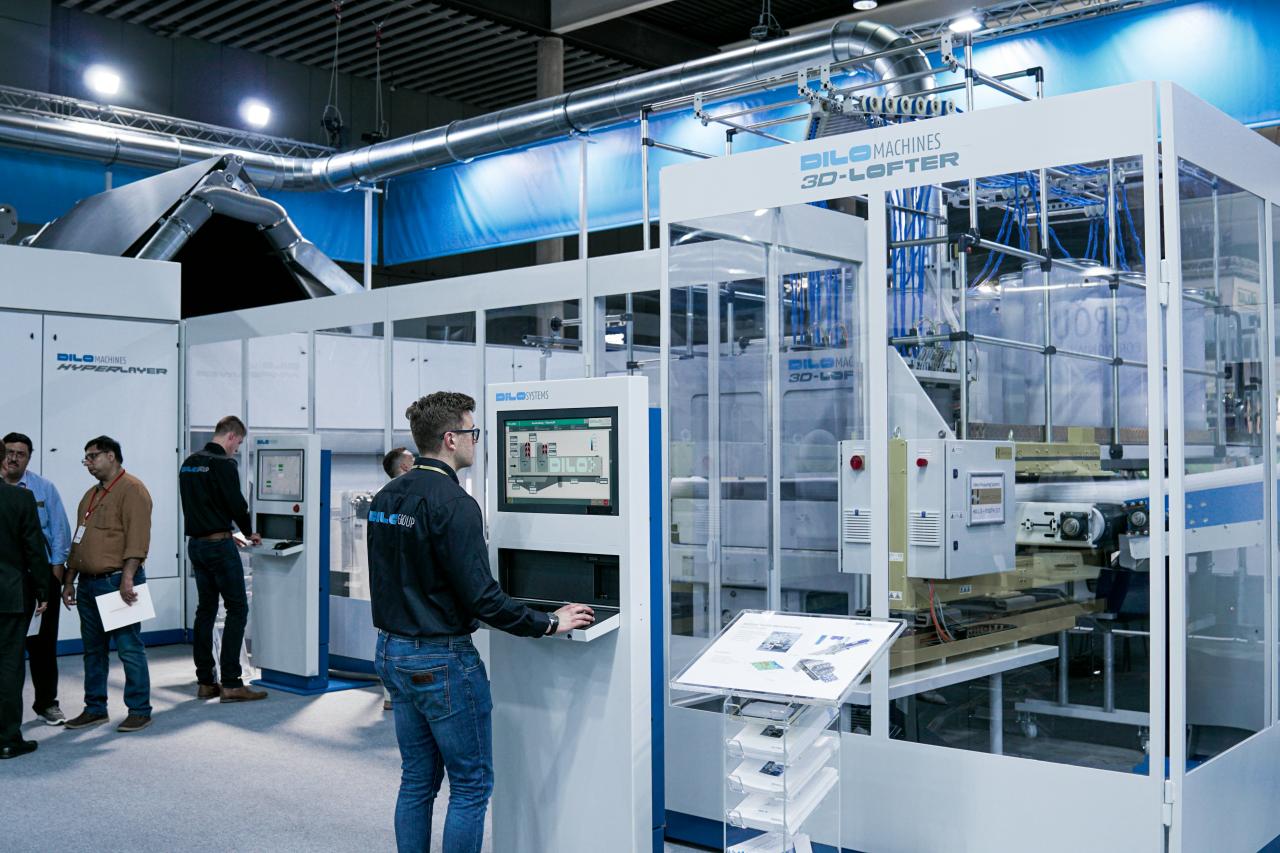
A smart factory is defined by its ability to collect and analyze data across every stage of the manufacturing process.
This connectivity creates a digital thread that links raw material procurement to the final delivery of a product.
A. Industrial Internet of Things (IIoT) Integration
The IIoT involves placing sensors on every piece of equipment to monitor temperature, vibration, and energy consumption.
These sensors provide a constant stream of data that allows operators to see the “health” of the factory in real-time.
By connecting isolated machines into a single network, the factory can function as a synchronized and intelligent organism.
B. Cloud Computing and Edge Data Processing
Processing massive amounts of industrial data requires a combination of local edge computing and powerful cloud storage.
Edge computing allows for instant decision-making on the factory floor, which is critical for safety and precision tasks.
The cloud provides the long-term storage and processing power needed to identify historical trends and optimize future production cycles.
C. Cyber-Physical Systems and Hardware Synchronization
Cyber-physical systems are the bridge between the digital world of software and the physical world of robotic arms and conveyor belts.
These systems allow a computer to control physical processes with a degree of accuracy that human operators simply cannot match.
Synchronization ensures that every part of the assembly line moves at the perfect pace to maximize output without causing mechanical stress.
Predictive Maintenance and Asset Management
Traditional maintenance schedules are often based on guesswork or fixed time intervals, leading to wasted resources or unexpected breakdowns.
Smart operations utilize predictive maintenance to fix machines only when they actually need it, saving both time and money.
A. Vibration Analysis and Thermal Imaging
Sensors can detect the microscopic changes in vibration or heat that signal a bearing is about to fail.
This early warning system allows maintenance teams to schedule repairs during planned downtime rather than reacting to a catastrophic failure.
Avoiding just one major equipment breakdown can save a company hundreds of thousands of dollars in lost production time.
B. Machine Learning for Failure Prediction
AI algorithms analyze historical maintenance data to predict the remaining useful life of every critical component in the plant.
These models become more accurate over time as they learn from every successful repair and every equipment malfunction.
Predictive intelligence shifts the maintenance department from a “cost center” to a strategic driver of operational uptime.
C. Automated Spare Parts Inventory Control
Smart systems can automatically order replacement parts the moment a potential issue is detected by the sensors.
This ensures that the necessary components are always on-site before a repair is scheduled to begin.
Reducing the amount of capital tied up in excess spare parts inventory significantly improves the company’s overall cash flow.
Leveraging Digital Twins for Operational Simulation
A digital twin is a virtual replica of a physical asset, process, or even an entire industrial facility.
This technology allows managers to test new strategies in a risk-free digital environment before implementing them in the real world.
A. Simulating Production Line Reconfigurations
Before moving a single piece of heavy machinery, engineers can use a digital twin to see how a new layout will affect the flow of materials.
This prevents costly mistakes and ensures that the new configuration will actually lead to the expected increase in efficiency.
Virtual testing reduces the “setup time” for new products and allows for a much more agile manufacturing approach.
B. Optimizing Energy Consumption and Sustainability
Digital twins can simulate various energy-saving scenarios, such as adjusting the speed of motors or the temperature of the facility.
Planners use this data to reduce the factory’s carbon footprint and comply with increasingly strict environmental regulations.
Sustainability in smart operations is often achieved through these small, data-driven optimizations that add up to massive savings.
C. Real-Time Remote Monitoring and Troubleshooting
Expert engineers can monitor a factory from thousands of miles away using the data provided by its digital twin.
This allows for global collaboration and ensures that the best minds can solve local problems without the need for expensive travel.
Remote troubleshooting speeds up the resolution of technical issues and keeps the production line moving at all times.
Human-Machine Collaboration and Workforce Evolution
The rise of smart operations does not mean the end of human workers, but rather a change in the nature of their roles.
The future of industry belongs to the “augmented worker” who uses technology to enhance their natural capabilities and safety.
A. Collaborative Robots or Cobots in the Workspace
Unlike traditional industrial robots that must be kept behind cages, cobots are designed to work safely alongside human colleagues.
Cobots handle the repetitive, heavy, or dangerous tasks, while humans focus on the complex problem-solving and quality control aspects.
This partnership increases the overall productivity of the cell while significantly reducing the risk of workplace injuries.
B. Augmented Reality for Training and Repair
Maintenance workers can wear AR glasses that overlay digital instructions and schematics directly onto the physical machinery they are fixing.
This “heads-up” display reduces the chance of error and allows less experienced workers to perform complex tasks with confidence.
AR technology is also revolutionizing the training process, allowing new hires to learn in a safe, simulated environment.
C. Data Literacy and the Shift to Analytical Roles
As manual tasks become automated, the demand for workers who can interpret and act on data insights is skyrocketing.
Companies must invest in retraining their workforce to handle the sophisticated software tools used in smart operations.
This shift leads to higher-paying, more engaging jobs that offer a better quality of life for the modern industrial worker.
Supply Chain Synchronization and Logistics
Smart operations extend beyond the four walls of the factory to include the entire global supply chain.
Total efficiency is only possible when the factory is perfectly synchronized with its suppliers and its customers.
A. Real-Time Visibility into Raw Material Flow
GPS and RFID tracking allow manufacturers to see exactly where their raw materials are located at any given moment.
This visibility allows for “Just-in-Time” manufacturing, where materials arrive exactly when they are needed for production.
Reducing the need for massive on-site storage reduces overhead costs and minimizes the risk of material obsolescence.
B. Automated Demand Forecasting and Planning
AI systems analyze market trends and customer orders to predict exactly how much of a product needs to be manufactured.
This prevents overproduction and ensures that the company is never left with an expensive surplus of unsold goods.
Demand-driven manufacturing is the ultimate goal of a truly smart and responsive industrial operation.
C. Autonomous Logistics and Warehouse Robotics
In the warehouse, autonomous mobile robots (AMRs) handle the sorting and movement of goods with incredible speed and accuracy.
These robots can work twenty-four hours a day without fatigue, ensuring that orders are shipped to customers as quickly as possible.
Automation in the logistics sector is the final link in the chain that ensures the overall efficiency of the industrial process.
Quality Control and Vision Systems
Smart operations use advanced camera systems and artificial intelligence to ensure that every product meets the highest standards of quality.
Automated inspection is faster, more consistent, and more accurate than any human inspector could ever be.
A. AI-Powered Visual Inspection
High-speed cameras capture images of every product on the line, and AI algorithms scan them for even the smallest defects.
This ensures that defective products are removed from the line before they reach the customer or the next stage of assembly.
Reducing the “scrap rate” is one of the fastest ways to improve the profitability of a high-volume manufacturing plant.
B. In-Line Metrology and Precision Measurement
Sensors can measure the dimensions of a part to within a fraction of a micron while it is still moving through the production process.
This real-time feedback allows the machines to automatically adjust their settings to prevent parts from falling out of tolerance.
Precision at the source eliminates the need for a separate “quality check” at the end of the line, saving time and space.
C. Traceability and Regulatory Compliance
In industries like pharmaceuticals or aerospace, every component must be tracked through its entire lifecycle for safety and legal reasons.
Smart systems automatically record the origin, batch number, and inspection results for every single item produced.
This digital “birth certificate” makes it easy to manage recalls and prove compliance with international quality standards.
Conclusion
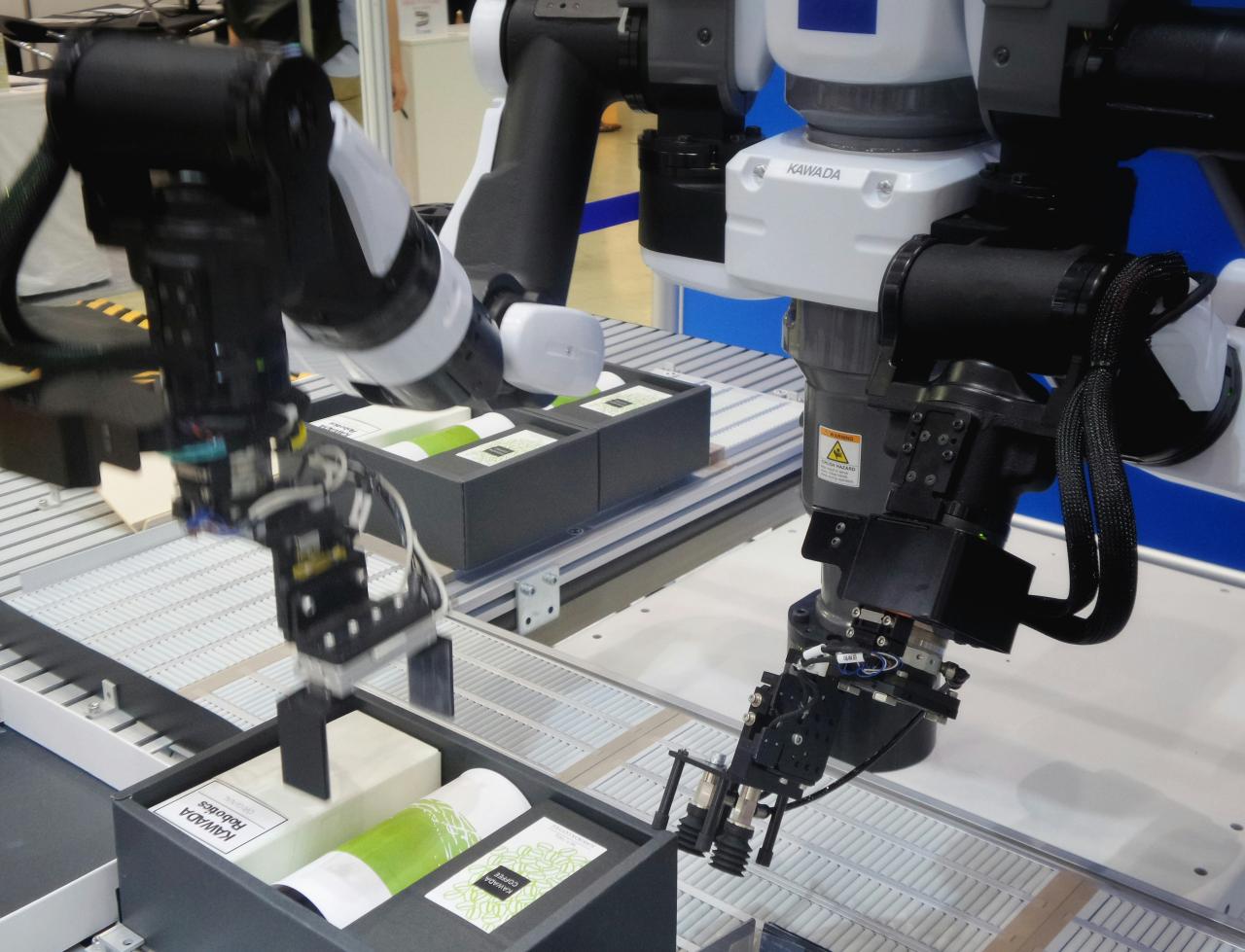
Optimizing industrial efficiency through smart operations is the defining challenge of the modern manufacturing era. The transition to Industry 4.0 requires a bold commitment to digital transformation and data-driven leadership.
Smart factories utilize connectivity to turn isolated machines into a single, high-performance ecosystem. Predictive maintenance ensures that equipment stays running longer with fewer unexpected and costly interruptions.
Digital twins provide a safe and cost-effective way to simulate change and optimize complex industrial processes. The collaboration between humans and robots is creating a safer and more productive environment for everyone.
Data literacy has become the most important skill for the modern industrial workforce to master. Sustainability and profit are no longer at odds as smart operations reduce waste and energy consumption.
Supply chain synchronization ensures that the factory is always aligned with the reality of the global market. AI-powered quality control is setting new standards for precision and consistency in high-volume production.
Investment in these technologies today is the only way to ensure commercial relevance in the coming decades. The digital thread connects every aspect of a business from the initial design to the final customer delivery.
A truly smart operation is one that never stops learning and evolving based on the data it generates. Automation handles the repetitive tasks, freeing human minds for creative innovation and strategic thinking.
The future of industry is transparent, connected, and incredibly efficient thanks to the power of smart operations. Embrace the digital evolution now to transform your facility into a world-class center of operational excellence.