
Protecting the things you love requires more than just a standard insurance policy from a big company. Many people work hard for years to afford luxury items, rare collectibles, or high-end technology for their homes. However, a basic home insurance plan often has very low limits for specific categories like jewelry or fine art.
If something happens to these items, you might find that your payout is much lower than their actual value. This creates a stressful situation where you lose both your precious memories and your significant financial investment.
You need a specialized approach that understands the unique nature of high-value assets in the modern world. This guide will help you navigate the world of premium protection and security for your most prized possessions.
Security is not just about having a piece of paper that says you are covered against theft or damage. It involves using smart technology, physical barriers, and the right legal structures to ensure your wealth remains safe.
As global markets fluctuate, rare assets often become targets for criminals who look for easy opportunities in residential areas. By taking a proactive stance, you can enjoy your luxury lifestyle without constant fear of loss or accidental destruction.
We will explore how to inventory your items and how to choose the best security tools for your specific needs. This article offers a clear roadmap for anyone who wants to preserve their legacy and protect their financial future.
Get ready to learn the secrets of elite asset protection that most people unfortunately overlook until it is too late.
Understanding The Limits Of Standard Insurance
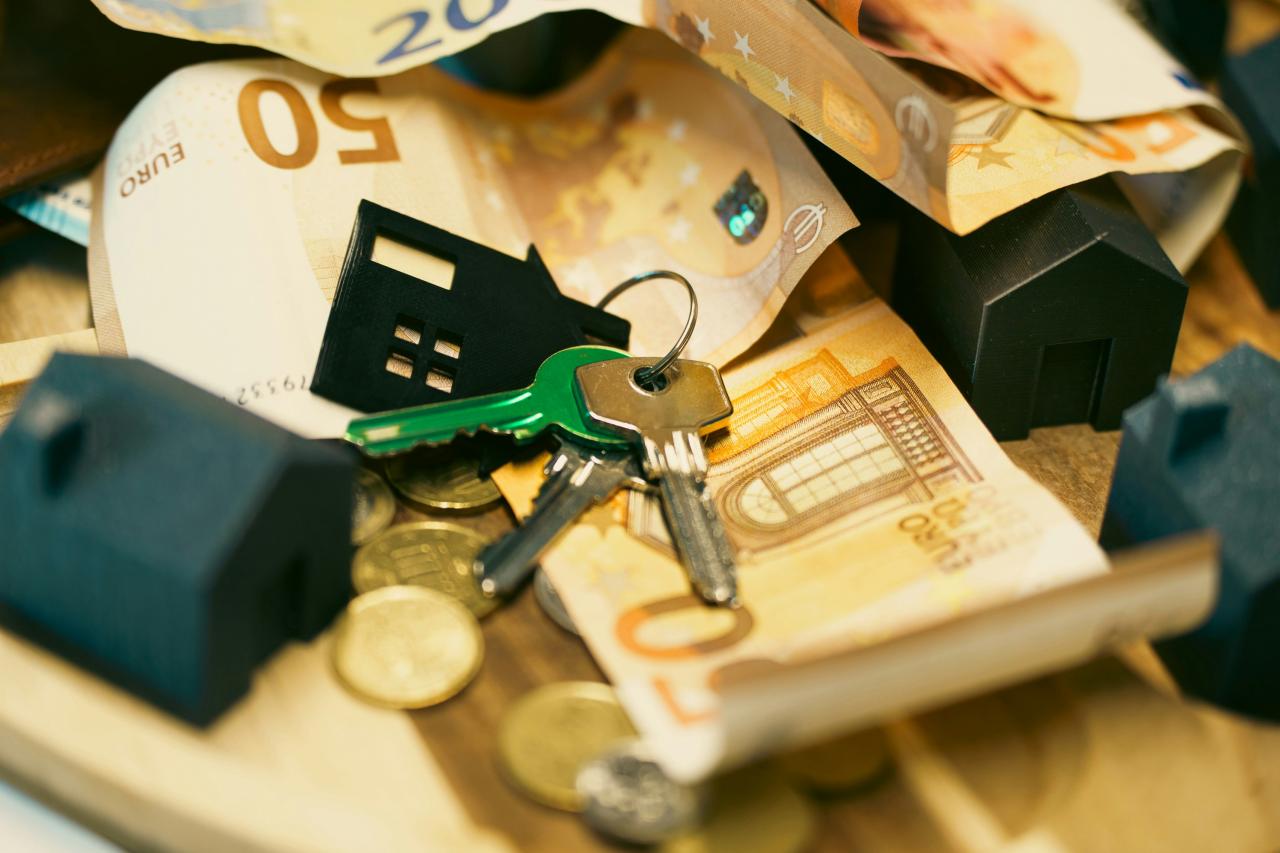
Most homeowners believe their standard policy covers everything inside the four walls of their house or apartment. The reality is that these policies have “sub-limits” that cap the payout for luxury goods at very low amounts.
For example, a policy might only pay a small amount for a stolen watch worth ten times that price. You need to read the fine print to see where your current protection falls short of your needs.
Specialized coverage fills these gaps by providing “scheduled” protection for specific items based on their professional appraisal value. This ensures that you receive the full replacement cost if the unthinkable happens to your most valuable belongings.
A. Reviewing your current policy for hidden coverage caps and limits.
B. Scheduling high-value items individually for better financial protection.
C. Understanding the difference between actual cash value and replacement cost.
D. Asking your agent about “all-risk” coverage for accidental damage.
The biggest problem is that most people do not realize they are underinsured until they try to file a claim. You can solve this “coverage gap” by performing a DIY audit of your luxury items every six months.
If the market value of your gold or watches goes up, you must update your policy to reflect that growth. This simple habit keeps your protection aligned with the real world so you never face a massive financial loss.
Securing Your Fine Art And Collectibles
Fine art and rare collectibles require a controlled environment to maintain their beauty and their high market value. Changes in humidity, direct sunlight, or even small vibrations can cause permanent damage to a delicate painting or sculpture.
You should invest in museum-quality display cases and UV-protective glass for any items that stay out in the open. For items kept in storage, use climate-controlled units that monitor temperature and moisture levels around the clock.
Proper documentation is also vital, so keep high-resolution photos and certificates of authenticity in a very secure digital location. These steps prevent physical decay and make it much easier to prove ownership if you ever need to sell.
A. Installing climate sensors to track humidity and temperature in real-time.
B. Using professional art handlers for moving or installing heavy pieces.
C. Keeping a digital inventory of all certificates and provenance papers.
D. Applying UV-resistant films to windows in rooms with sensitive art.
Collectors often focus so much on theft that they forget that “slow damage” from the sun is more common. You can solve the problem of fading and cracking by rotating your collection and using smart lighting that lacks heat.
Think of yourself as a curator of your own private museum, where preservation is just as important as the purchase. This mindset keeps your assets in mint condition for the next generation to enjoy or sell for a profit.
Advanced Home Security For Luxury Residences
A standard alarm system is rarely enough to stop a professional thief who targets high-value homes and estates. You need a layered security approach that includes perimeter sensors, smart cameras with AI motion detection, and reinforced entry points.
Modern security systems can distinguish between a neighborhood cat and a human intruder, reducing the number of false alarms. You should also consider a “safe room” or a high-security vault for your most portable and valuable items like cash or jewelry.
Connectivity is key, so ensure your system has a battery backup and a cellular connection to stay online during power outages. A visible security presence often acts as the best deterrent to keep your home off the target list.
A. Installing smart cameras with facial recognition and night vision.
B. Using biometric locks for your home office or jewelry vault.
C. Setting up a perimeter fence with active vibration and light sensors.
D. Hiring a remote monitoring service that responds to alerts instantly.
The weakness in most home security is the human element, like forgetting to lock a side door or window. You solve this “human error” by using smart home automation that locks your doors and arms your system every night.
When the house looks after itself, you can sleep better knowing that your family and your assets are behind a digital shield. Investing in professional-grade hardware pays for itself the very first time it stops a potential break-in at your door.
Protecting High-End Jewelry And Luxury Watches
Jewelry and watches are the most frequently stolen high-value assets because they are easy to hide and transport quickly. You should never leave these items in a standard bedroom drawer where a thief will look first during a quick search.
Invest in a heavy, bolted-down safe that carries a high fire and burglary rating for maximum protection at home. When traveling, use the hotel safe or keep your items on your person rather than in your checked luggage.
It is also wise to have your jewelry cleaned and inspected by a professional jeweler once a year to check for loose stones. This prevents the loss of expensive diamonds or gems due to a simple mechanical failure of the metal setting.
A. Choosing a safe with a high TL-30 rating for home storage.
B. Engraving micro-serial numbers on your gems for easier tracking.
C. Getting professional appraisals every two years to track market prices.
D. Using a jewelry travel case that looks like a normal, boring bag.
The problem with wearing your wealth is that it makes you a visible target in crowded or unfamiliar cities. You can solve this “travel risk” by leaving your most iconic pieces in a bank vault and wearing high-quality replicas.
This allows you to enjoy the look and feel of luxury without the crushing stress of a potential robbery abroad. Save the real diamonds for private events where the environment is controlled and safe for everyone who attends.
Managing Risk For High-Performance Vehicles
Exotic cars and vintage vehicles are more than just transportation; they are moving pieces of high-value engineering and art. These assets require specialized insurance that allows you to choose your own repair shop and use original manufacturer parts.
You should store these vehicles in a secure, dry garage with a trickle charger to keep the battery healthy. If you take your car to a show or a track day, ensure your policy covers you for these specific high-risk events.
Many owners also install GPS trackers that allow them to find their car anywhere in the world using a simple phone app. Proper maintenance records are also essential for maintaining the resale value of a limited-edition or classic car.
A. Securing a policy that uses an “agreed value” rather than market price.
B. Installing hidden GPS recovery systems and engine kill switches.
C. Keeping all service logs and original parts in a organized folder.
D. Using enclosed trailers for transporting the vehicle over long distances.
Owners often worry about “joyriders” or valet drivers taking their expensive cars for a dangerous spin without permission. You solve this problem by using the “valet mode” found in most modern performance cars, which limits speed and power.
This digital leash ensures that your car is treated with respect even when you are not the one behind the steering wheel. Technology makes it much easier to keep an eye on your car from a distance without being a hovering owner.
Digital Asset Security and Hardware Wallets
In the modern world, some of our most valuable assets are completely digital, such as cryptocurrencies or rare digital art. These items are vulnerable to hackers and phishing scams that can empty your accounts in a matter of seconds.
You should never keep a large amount of digital wealth on an exchange or a computer that is connected to the internet. Use “cold storage” hardware wallets that keep your private keys offline and safe from any digital interference or theft.
It is also vital to keep your recovery phrases written on paper and stored in a physical fireproof safe. Digital security requires a different set of habits than physical security, but the goal of protecting your hard-earned wealth remains exactly the same.
A. Moving digital assets to an offline hardware wallet for safety.
B. Using multi-signature security that requires two devices to move funds.
C. Creating a digital “death folder” with instructions for your heirs.
D. Enabling two-factor authentication (2FA) with a physical security key.
The “lost key” problem is the biggest threat to digital wealth, as there is no “forgot password” button for most crypto. You solve this permanent loss risk by creating multiple physical backups of your seed phrase and hiding them in different locations.
Think of your digital keys like the keys to a physical vault; if you lose them, the vault stays closed forever. Being your own bank is a big responsibility, but it gives you total control over your digital future and assets.
Cyber Liability And Personal Identity Theft
As your net worth grows, you become a more attractive target for identity thieves and sophisticated digital extortionists. They may try to hack your email, access your bank accounts, or even hold your personal data for a high ransom.
Specialized personal coverage can protect you from the financial fallout of a cyberattack, including the cost of restoring your credit. You should use a dedicated, secure computer for all financial transactions and avoid using public Wi-Fi for sensitive tasks.
Changing your passwords regularly and using a reputable password manager is a basic but essential part of your digital defense. Protecting your identity is just as important as protecting your physical home in our interconnected and high-tech global society.
A. Monitoring your credit report for any unauthorized new accounts.
B. Using an encrypted email service for all your financial discussions.
C. Investing in a personal cyber insurance policy for total protection.
D. Masking your home IP address with a high-quality VPN service.
Most people feel that “it won’t happen to me” until they see a strange charge on their credit card statement. You solve this vulnerability by treating your personal data like a secret that you only share when it is absolutely necessary.
Limiting what you post on social media about your wealth or travel plans prevents hackers from building a profile on you. Digital silence is often the best form of security for those who have a lot to lose in the world.
Protecting Intellectual Property And Business Interests
If you are a creator or a business owner, your ideas and your brand are often your most valuable and productive assets. You must take legal steps to trademark your logos, copyright your work, and patent your inventions as soon as possible.
Intellectual property (IP) theft can drain your income and allow competitors to profit from your hard work and unique creativity. Specialized legal coverage can help you fight back if someone tries to steal your ideas or use your brand without permission.
Keeping your business assets separate from your personal assets also provides an extra layer of protection during any legal disputes. Proactive legal work is the “invisible fence” that protects the value of your mind and your professional career.
A. Registering trademarks for your business names and unique logos.
B. Using non-disclosure agreements (NDAs) when sharing new ideas.
C. Monitoring the market for any unauthorized use of your work.
D. Organizing your business as a legal entity to limit personal risk.
Many entrepreneurs wait too long to protect their IP because they think it is too expensive or too complicated. You solve this “delay risk” by using online legal tools to file basic trademarks and copyrights early in your journey.
Once your brand becomes famous, it is much harder and more expensive to win it back from a “squatter” or thief. Protect your ideas while they are still growing to ensure you reap the full harvest of your own hard work.
Estate Planning and Asset Succession
Protecting your assets also means making sure they go to the right people after you are no longer here to manage them. Without a clear plan, your high-value items could be tied up in court for years or sold off to pay for unnecessary taxes.
You should work with a professional to create a will or a trust that outlines exactly who gets what in your portfolio. This is especially important for unique items like family heirlooms, art collections, or business interests that require special care.
A good estate plan protects your family from the stress of fighting over your belongings during a time of deep grief. It ensures that your hard work continues to provide for your loved ones exactly the way you intended it to.
A. Creating a living trust to avoid the long and costly probate process.
B. Appointing a specialized executor who understands high-value assets.
C. Updating your beneficiaries on all your insurance and bank accounts.
D. Writing a “letter of wishes” for the sentimental items in your home.
People often avoid estate planning because it forces them to think about their own mortality, which is uncomfortable. You solve this “procrastination” by focusing on the peace of mind it gives your family and your future heirs.
Knowing that your collection of cars or art is safe and managed correctly is the ultimate gift of love. Start the conversation today so your legacy is preserved for the next hundred years or even much longer than that.
The Importance of Regular Professional Appraisals
The value of gold, fine wine, and luxury watches changes every day based on the global economy and current trends. If you haven’t appraised your items in five years, your insurance coverage is likely based on completely outdated and low numbers.
Professional appraisers can give you a detailed report that serves as legal proof of the item’s condition and its current value. This report is essential if you ever need to file an insurance claim or sell the item at a high-end auction house.
You should look for appraisers who are certified by reputable organizations and who specialize in your specific type of asset. Regular updates ensure that you never have a “wealth gap” between what you own and what you are protected for today.
A. Scheduling professional appraisals every two to three years.
B. Keeping physical and digital copies of every appraisal report.
C. Updating your insurance agent as soon as a new report is ready.
D. Using appraisals to decide which items need higher security.
Most owners “guess” the value of their items based on what they paid for them a long time ago. You solve this “valuation error” by trusting an expert who sees the market every single day from the inside.
Knowing the true value of your items allows you to make smarter decisions about how much to spend on security. It’s better to pay for an appraisal now than to lose thousands of dollars later due to a cheap policy.
Conclusion

Your wealth is very important. You worked hard for it. Protect it well today. Basic insurance is not enough. Rare items need special care. Read your fine print.
Security is about many layers. Use smart cameras and safes. Stay one step ahead. Digital coins need cold storage. Keep your keys very safe. Do not trust exchanges.
Art needs a steady climate. Light can hurt your paintings. Be a smart curator. Jewelry is a small target. Hide it in a safe. Do not show it. Legacy is about the future. Plan your estate with love. Help your family win.